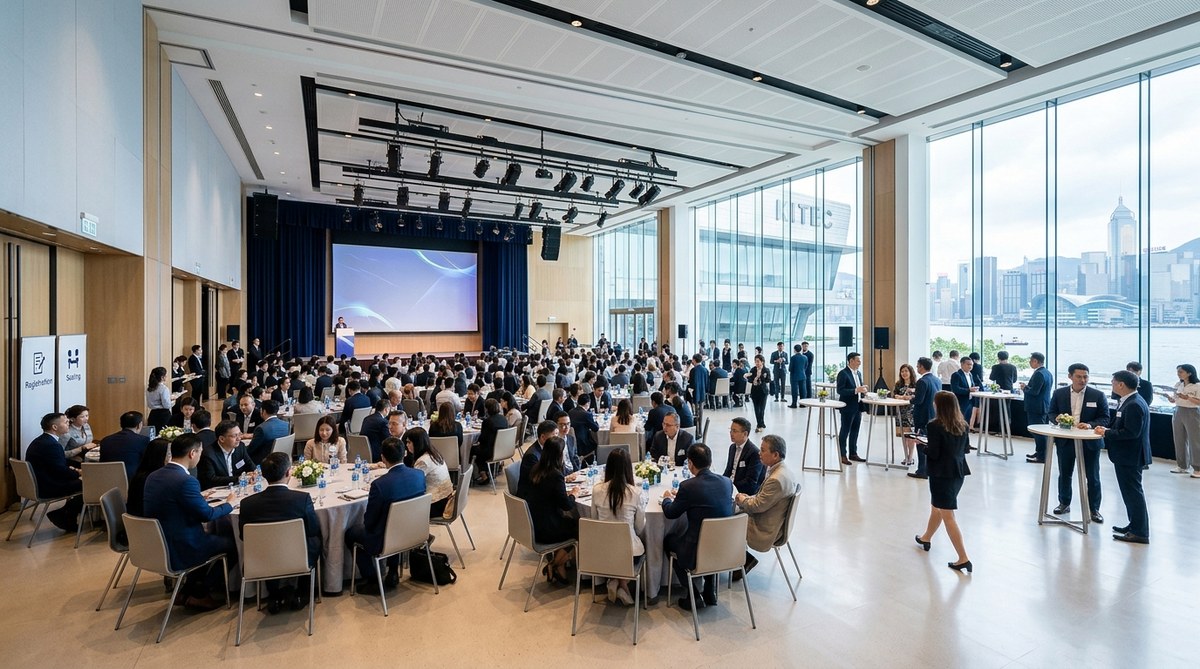
Planning an event in Hong Kong can feel like a high wire act. Space is precious, costs are tight, and the citys venues are some of the most diverse in Asia. Getting the right venue size is the foundation of a successful gathering. If your space is too small your attendees will feel crowded and uncomfortable. If its too large you may waste budget and lose energy. This guide from KITEC helps you navigate the challenge of choosing the right event venue size in Hong Kong with practical steps, real world examples, and plenty of layout ideas.
Why size really matters for Hong Kong events
Hong Kong is famous for efficient use of space and intelligent design. In a city where every square meter counts you want a venue that matches your event goals without forcing you into a costly oversize space or a cramped room. The right size affects:
- Attendee experience and comfort
- Networking opportunities and interaction quality
- Stage and AV requirements
- Catering flow and service timing
- Safety, accessibility, and crowd movement
- Budget alignment including room rental, catering, and staffing
With these factors in mind you can convert raw headcount into a practical space plan that fits your budget while keeping the energy right for your program.
Start with the event type and audience
1) Define the event type first
Different event types demand different space dynamics. For example:
- Corporate conferences and seminars
- Product launches and press briefings
- Trade shows and exhibitions
- Gala dinners or award ceremonies
- Training workshops and classrooms
- Networking receptions and cocktail events
Each type has an expected density and a preferred layout. Your plan should reflect what attendees will do during the event, not just how many people will be present.
2) Estimate your guest count with a realistic buffer
Create three estimates:
– A conservative headcount based on invitations confirmed
– A target headcount you hope to achieve
– An upper bound that accounts for walk ins or upgrades
Add a 10 to 15 percent buffer to accommodate last minute additions, VIPs, or unexpected guests. Remember that HK venues often publish capacity per layout. Your job is to translate headcount into a robust plan that leaves room for movement and service.
3) Consider attendee roles and interaction levels
Different audiences engage differently. A heavy keynote program with limited movement needs far less floor area than a multi track conference with many breaks, workshops, and round table discussions. A mixed audience may require flexible spaces and easy conversion between formats.
How to translate guests into usable floor space
Understanding how much space you need per attendee depends on the layout you choose. Here are commonly used formats and approximate space guidelines. Treat these as starting points and verify with your chosen venue for precise figures.
- Theatre style (audience facing the stage)
- Approximate space per person: 0.5 to 0.8 square meters
- Best for: keynote sessions, panel discussions, large audiences
- Classroom or auditorium style (rows of desks or tables)
- Approximate space per person: 1.0 to 1.25 square meters
- Best for: training, seminars, multi session tracks
- Banquet or banquet with stage (round or rectangular tables)
- Approximate space per person: 1.2 to 1.5 square meters
- Best for: dinners, awards, networking banquets
- Standing reception or cocktail (no assigned seating)
- Approximate space per person: 0.3 to 0.5 square meters
- Best for: easy movement, mingling, shorter programs
- U shape or boardroom (table centered layouts)
- Approximate space per person: 1.5 to 2.0 square meters
- Best for: workshops with collaboration, roundtable discussions
A quick rule of thumb is to start with your target layout and calculate space by number of attendees. Then compare with the venue floor plan to see if the configuration is feasible and still leaves room for aisles, stages, equipment, catering stations, and staff walkways.
Reading the floor plan and exploring layout options
1) Look for flexible spaces
Hong Kong venues often offer a mix of flexible ballrooms, conference rooms, and multipurpose halls. Ask about partitions, dividers, and adaptable floor plans that let you convert a space from theatre to classroom or from a workshop layout to a reception area. Flexible spaces can save money by letting you use a smaller footprint while achieving your desired program flow.
2) Consider breakout zones
If your event includes breakout sessions or parallel activities, you will need additional rooms or clearly defined corners within the main space. Floor plans should show:
– Breakout rooms or studios
– Registration and information desks
– Quiet zones or charging stations
– AV racks and stage wings
3) Check circulation and safety
Walkways should be clearly marked and wide enough for foot traffic and service staff. In crowded HK venues you want to maintain clear routes to exits and emergency points. Make sure the floor plan includes accessible routes for guests with mobility needs.
4) Visualize service flow
Map out the route for arrival, catering, and departures. A well designed flow reduces bottlenecks and keeps lines moving efficiently during peak times.
Practical steps to determine the perfect size for your HK venue
1) List your event objectives
– What should attendees do and experience?
– How long will they be engaged in each activity?
– Which moments require more space (stage, demonstrations, Q A, networking)?
2) Estimate core attendance by segment
– General attendees
– VIPs and speakers
– Staff and exhibitors
– Press and media
3) Map your layout options against your headcount
– Start with your preferred layout for the main program
– Check if there is enough space for stage, AV, seating, and audience movement
– Confirm breakout rooms can accommodate the expected group sizes
4) Build in contingency
– Add extra headcount to cover overflow
– Ensure there is a plan if some sessions require more space than anticipated
– Confirm the venue can adjust on the day if needed
5) Compare venues side by side
– Capacity by layout
– Flexibility of the space
– Availability of breakout spaces
– Accessibility and transport links
– Onsite services and inclusions
Floor plan ideas for common Hong Kong event scenarios
1) Large conference or product reveal
- Main hall in theatre style for keynote and product reveal
- Side rooms for parallel tracks or press briefing
- A dedicated space for demo stations or product testing
- A backstage area for moderators, producers, and VIPs
- Minimum floor area: ensure you have room for a stage, screen, lighting, and camera rigs without crowding
2) Trade show or exhibition
- Open floor with multiple small booths or sponsored stations
- Wide aisles for comfortable movement and social distancing
- Central stage or demo zone for live presentations
- Interaction spaces near the entrances to draw attendees
- Ensure power and internet connectivity is robust across all booths
3) Gala dinner or awards ceremony
- Banquet seating around tables with a clear view of the stage
- A secure backstage area and backstage corridors for staff
- Red carpet or welcome area at entry
- Clear sightlines from all tables to the stage
- Adequate catering stations and service pathways
4) Training workshop or seminar
- Classroom layout in blocks or rows facing a speaker
- Breakout rooms for smaller sessions
- Adequate tables for note taking and laptops
- Charging stations and Wi Fi access points
- Consider a quiet breakout lounge for focus during longer sessions
5) Networking reception
- Flexible standing space with high top tables
- A central bar or beverage station
- Sufficient seating in lounges for longer conversations
- Clear zoning to avoid overcrowding in one area
Budget and value: size is not everything
Size is a key lever but not the only one. A space that is perfectly matched to your attendee count may still blow your budget if it charges for elements you do not need. Consider:
- Base rental versus inclusive packages
- Staffing, security, and crowd control
- AV equipment and technical support
- Catering minimums and service charges
- Cleaning and overtime fees
- Decor, branding, and signage
Sometimes a slightly smaller space can deliver a more intimate and engaging atmosphere while reducing risk and costs. Conversely a larger space with flexible layouts can accommodate growth or last minute changes without a scramble to source additional rooms.
Safety, accessibility, and regulations in Hong Kong
Hong Kong venues operate under strict safety guidelines and local regulations. When you book a space consider:
- Fire safety and maximum occupancy limits for various layouts
- Accessibility features including ramps, elevators, and accessible toilets
- Emergency evacuation routes and clear signage
- Adequate air conditioning and ventilation for comfort during long sessions
- Food safety and catering compliance with local health regulations
Working with a venue that provides clear capacity figures for each layout helps you stay compliant and sets clear expectations with your planning team and clients.
What to ask when you are evaluating a venue in HK
- What is the maximum occupancy for each layout type
- Can the space be reconfigured quickly on event day
- How flexible are the furnishings and partitions
- Are there dedicated breakout rooms and what are their capacities
- What are the included AV capabilities and what will cost extra
- How is the service flow designed for catering and registration
- Are there built in charging stations and reliable Wi Fi
- What is the emergency plan and how will it be communicated on site
- Is there a preferred vendor list for catering, decor, and technical support
A sample planning scenario: choosing the right size for a mid sized conference in Hong Kong
Imagine you are coordinating a two day conference with 350 attendees, plus 25 VIPs and 40 exhibitors. You want:
– A main plenary session with stage and 4 K H D screens
– Two parallel breakout tracks of 100 attendees each
– A networking reception with standing room for 180 people
– A sponsor expo area with 6 booths
Step by step you could approach it:
– Start with the main hall in theatre style for 350 seats with a buffer for VIPs and staff
– Reserve two adjacent mid size rooms or a single large room for 100 attendees each in classroom style
– Create a separate open zone for the expo and a modest sized reception area
– Ensure a service corridor connects the main stage to catering and expo areas
– Confirm washrooms, accessibility, and exits are clearly signposted
– Build a weekly run of the schedule that minimizes crowding during peak transitions
This approach helps you map space to program and keep your attendees engaged without feeling crowded.
How KITEC fits into the Hong Kong venue landscape
KITEC is known for its flexible spaces designed to accommodate a range of event formats. The venue offers:
– A mix of large halls and smaller meeting rooms
– Flexible partition options to adapt layouts quickly
– Robust AV and stage capability to support dynamic programs
– Onsite catering options and experienced event staff
– Great accessibility for attendees from across Hong Kong
When planning for size in this market you can lean on KITEC to provide realistic capacity figures for various layouts and to help you balance your main program with breakout sessions, sponsor zones, and networking spaces.
A practical checklist you can bring to site visits
- Confirm capacity by layout for the main room and breakout spaces
- See a live floor plan or a true to scale drawing
- Check the service flow including registration and catering routes
- Verify accessibility and safety features
- Inspect acoustics, lighting, and AV readiness
- Review the flexibility of furnishings and partitions
- Confirm nearby power outlets and internet reliability
- Ask about peak load handling and contingency plans
- Request a site walk through with a operations lead or event manager
Why choosing the right size is a competitive advantage
A venue that fits your event size well creates:
– A more energetic and focused attendee experience
– Smoother operations with less waiting time for registration, refreshments, and sessions
– Higher opportunities for meaningful interactions and networking
– More efficient use of your budget by avoiding underutilized spaces or last minute overages
In Hong Kong the difference between a well sized venue and a venue that is off by a factor can be the difference between a memorable event and a logistical scramble. Planning with a clear sense of space, flow, and audience will always serve you best.
Final thoughts and next steps
Choosing the right event venue size in Hong Kong is a blend of art and science. Start with your program goals and your headcount, then translate that into a layout that leaves room for movement, interaction, and surprise. Always verify capacity figures with the venue for the exact layout you plan to use and request a floor plan drawing before finalizing. If you are considering a flexible and well supported option, KITECs multi space approach and attentive event team can be a strong partner to bring your vision to life.
If you would like targeted guidance for your next event, our KITEC team is here to help. We can tailor a space plan that matches your objectives, guest experience, and budget while ensuring a smooth on site operation from arrival to farewell.
Appendix: quick reference for capacity by layout
– Theatre: 0.5 to 0.8 sqm per person
– Classroom: 1.0 to 1.25 sqm per person
– Banquet: 1.2 to 1.5 sqm per person
– Standing reception: 0.3 to 0.5 sqm per person
– U shape: 1.5 to 2.0 sqm per person
Remember that these guidelines are starting points. Real world venues will publish exact capacities for each layout and often offer recommended configurations based on your event type. By anchoring your planning in clear numbers and a well considered floor plan, you can host a Hong Kong event that feels just right, no matter the size.
If you found this guide helpful, keep an eye on our Our Blog for more insights on meeting planning tools, attendee engagement, privacy compliance, and travel tips around Hong Kong.