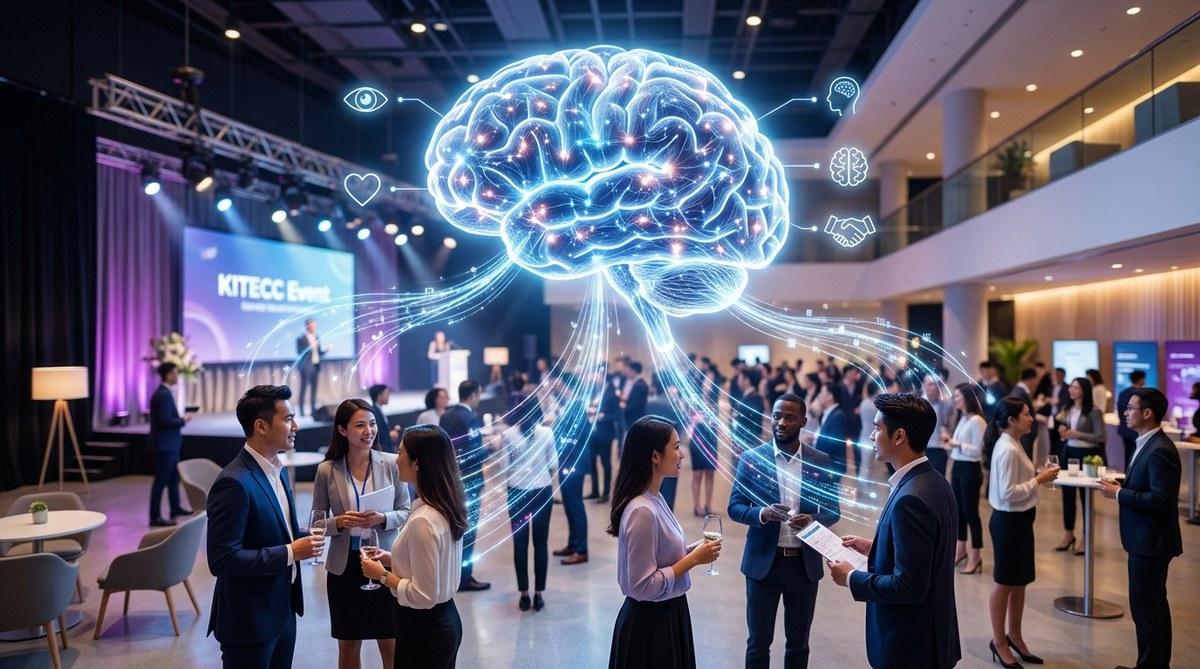
In the bustling world of live events, simply filling a room is not enough. At KITEC in Hong Kong, where visitors explore dynamic meeting spaces, dining options, and a spectrum of amenities, the real challenge is turning attendees into engaged participants who remember your event long after they leave. Neuromarketing offers a practical toolkit to design experiences that resonate with the brain, trigger meaningful emotions, and drive action. This guide walks you through proven techniques, ethical considerations, and a step by step playbook to improve event engagement using neuromarketing at KITEC and beyond.
Why Neuromarketing Matters for Events
Neuromarketing blends neuroscience with marketing and event design to understand how attendees think, feel, and behave in live settings. Rather than relying on guesswork, neuromarketing uses insights about attention, emotion, memory, and decision making to shape every touchpoint of an event. For venue operators like KITEC, this means creating spaces and programs that naturally guide attendees toward meaningful interactions, productive networking, and memorable experiences.
Key reasons neuromarketing matters for events:
– It helps you capture attention in crowded environments with purposeful design.
– It aligns content and activities with emotional drivers that influence recall and advocacy.
– It supports more efficient use of space and time, increasing perceived value for attendees.
– It provides a framework for measuring impact beyond basic attendance.
By applying these principles, you can elevate trade shows, conferences, product launches, and corporate gatherings hosted at KITEC, turning the venue into a living case study of attendee engagement.
Core Neuroscience Principles for Attendee Engagement
Understanding a few core principles can transform how you plan and execute events.
Attention is a scarce resource
Attendees are bombarded with stimuli. Designing focal points, clear wayfinding, and purposeful cues helps people allocate attention to the most important messages and activities.
Emotions drive memory formation
Events that evoke positive emotions or meaningful moments are more likely to be remembered and shared. Emotional connections create lasting impressions that influence future behavior.
Multisensory experiences enhance recall
Engaging multiple senses—sight, sound, touch, and even scent when appropriate—creates richer memory traces. Keep sensory inputs aligned with the event theme and brand.
Storytelling anchors memory
A compelling narrative gives attendees a framework to organize information. Stories help people connect with content on a personal level and recall details later.
Social proof and peer influence guide decisions
People look to others when deciding what to do next. Demonstrating value through speaker credibility, attendee testimonials, or live demonstrations can steer engagement.
Simplicity reduces cognitive load
Too many choices or conflicting signals disrupt decision making. Clear, actionable options help attendees act with confidence.
Crafting Multi-Sensory Experiences at KITEC
KITEC offers a diverse canvas for experiential design. When you plan, consider how space, lighting, acoustics, touchpoints, and even scent (where appropriate) can work together to create a cohesive sensory journey.
- Map the journey: Create a simple attendee path from arrival to primary engagements, ensuring each zone reinforces the event goal.
- Visual cues that align with the theme: Use color, typography, and imagery that reflect the event narrative and the KITEC brand identity.
- Sound design: Subtle audio can guide flow, highlight sessions, or create ambience in networking zones without overpowering conversations.
- Tactile and interactive touchpoints: Interactive demos, tactile handouts, or physical prompts invite participation and memory encoding.
- Lighting as a signal: Use lighting to designate stages, product areas, and quiet zones. Dynamic lighting can cue transitions and focus.
- Sensory safety and inclusivity: Ensure all sensory elements are accessible and considerate of attendees with sensitivities or disabilities. Provide quiet zones and alternative formats when needed.
A practical approach is to design spaces that naturally lead attendees to take desirable actions, such as visiting a product demo, joining a facilitated conversation, or collecting a takeaway. For KITEC hosted events, leverage the venue’s facilities to stage immersive experiences that feel organic rather than forced.
Personalization at Scale: Data Driven Engagement
Personalization is not about a one off message, it is about tailoring experiences to individual preferences while remaining respectful of privacy. Use data to inform content and station design, but build a privacy safe approach.
- Collect consent for data use: During registration, clearly explain what data is collected and how it will be used to personalize experiences.
- Segment attendees into meaningful groups: By industry, role, goals for the event, or session interests. Design personalized agendas or recommendations for each segment.
- Dynamic content delivery: Use digital signage, mobile apps, and session recommendations that adapt as the attendee interacts with the event.
- Personal prompts and nudges: Offer tailored invitations to sessions, meetups, or demos based on expressed interests.
- Respect boundaries: Allow attendees to opt out of personalization and ensure that generic options remain valuable.
At KITEC, you can create personalized agendas that surface the most relevant sessions and networking opportunities. The key is to balance personalization with privacy and ensure every attendee feels in control of their experience.
Storytelling and Memory Encoding
A strong story makes information sticky. Build a narrative around your event that attendees can carry with them.
- Define a clear theme: A unifying idea helps all elements align, from content to visuals to interactions.
- Create memorable anchors: Use signature moments, such as a keynote story, a dramatic demo, or a unique activation, that attendees will associate with your event.
- Use journey narratives: Frame the attendee experience as a story arc with problem identification, exploration, discovery, and action.
- Reinforce through repetition: Reiterate core messages across sessions, signage, and digital channels to strengthen recall.
- End with a deliberate memory cue: Close with a ritual, takeaway artifact, or call to action that cements the experience in memory.
When attendees leave KITEC, they should feel they have traveled through a purposeful narrative, not just attended separate sessions. A strong story helps attendees remember what they learned and why it matters.
Social Proof and Peer Influence
Leverage the power of social proof to drive engagement and participation.
- Live demos and attestation: Invite real users to share experiences on stage or in breakout sessions.
- Peer-led rounds: Create interest groups led by attendees with common goals, boosting relevance and engagement.
- Testimonials and case studies: Surface success stories from previous events and attendees to demonstrate value.
- Real time polling and sharing: Use audience response systems to capture opinions and share results publicly during sessions.
- Influencer and host dynamics: Engage credible speakers or hosts who model desired behaviors and participation.
By highlighting how others engage, you reduce uncertainty and invite more attendees to participate.
Ethical Considerations and Privacy Compliance
Neuromarketing must respect attendee autonomy and data privacy, especially in Hong Kong where PDPO governs personal data usage. Build trust by being transparent and ethical.
- Obtain informed consent: Clearly communicate what data is collected and for what purposes.
- Minimize data collection: Only collect data that directly supports attendee benefit and engagement.
- Provide opt outs: Ensure attendees can decline certain data uses without losing access to core event features.
- Data security: Use secure systems for data storage and access control.
- Create an ethics review: Before launching any neuromarketing activation, run a quick internal ethics check to guard against manipulation or harm.
- Respect physiological signals: If you choose to explore biometric responses, ensure participants are comfortable and informed, and avoid overreaching claims about what data means.
Ethical practice is not a barrier to engagement; it reinforces trust and yields longer lasting relationships with attendees and sponsors.
Measuring Success: Metrics and Tools
A robust measurement plan shows what works and what needs refinement. Track both engagement and impact on business outcomes.
- Engagement metrics:
- Dwell time in activations and exhibits
- Session attendance and repeat participation
- Networking interactions and meetup signups
- Content engagement, such as poll responses or app interactions
- Memory and recall metrics:
- Post-event surveys asking attendees to recall key messages
- Qualitative feedback about memorable moments
- Sentiment and emotion metrics:
- Real time feedback cards
- Social media sentiments and share of voice
- Behavioral metrics:
- Number of scheduled meetings, demos attended, or downloads collected
- Post event actions like portal logins or content consumption
- Brand and relationship metrics:
- Net promoter score (NPS)
- Sponsor satisfaction and partner engagement
- Return visits to KITEC venues for future events
Tools to support measurement:
– Event apps and digital signage analytics
– On site kiosks and QR code scanning data
– Post event surveys with rating scales and open ended questions
– Social listening dashboards for mentions and sentiment
– Basic biometric options only with explicit consent and clear purpose
A good approach is to define a small set of primary metrics at the outset and then add secondary metrics as you gather more data. This keeps the measurement plan manageable while delivering actionable insights.
Practical Playbook for Event Planners at KITEC
A practical, action oriented playbook helps you implement neuromarketing with minimal friction.
- Pre event
- Define the event narrative and primary engagement goals
- Map attendee journeys and design sensory touchpoints around each phase
- Build personalized agenda options based on attendee profiles
- Plan ethical consent and privacy communications for all data collection
- On site
- Use clear wayfinding and focal points to guide attention
- Activate multisensory experiences in key zones
- Launch live demonstrations and social proof moments
- Monitor crowd flow and adjust lighting, sound, and signage as needed
- Post event
- Collect feedback focused on memory recall and emotional impact
- Share highlights and stories that reinforce the event narrative
- Deliver personalized post event content based on expressed interests
- Measure engagement and outcomes against the defined metrics
Tips specific to KITEC venues:
– Leverage flexible spaces for staged activations that can be reconfigured quickly
– Coordinate catering and product demos to align with session themes
– Use signage and staff prompts to create a seamless memory building experience
– Ensure accessibility in all activations so that all attendees can participate
Case Examples from Hong Kong and KITEC
While every event is unique, certain patterns work well at KITEC and similar venues in Hong Kong.
- Tech product launch with a sensory corridor: A sequence of interactive product demos paired with ambient lighting and curated soundscapes can guide attendees through a narrative journey, culminating in a memorable demo which fosters social sharing.
- Industry conference with peer learning circles: Structured peer led sessions where attendees present short case studies can amplify social proof and create meaningful connections that persist beyond the event.
- Cultural and travel showcase in a KITEC hall: Food halls, demo zones, and storytelling walls celebrating Hong Kong can evoke local pride and emotion, encouraging attendees to remember the venue and the event brand.
These patterns show how neuromarketing principles translate into practical activations that leverage KITEC’s strengths as a dynamic meeting and event hub in Hong Kong.
Future Trends in Neuromarketing for Live Events
Staying ahead means planning for emerging technologies and evolving attendee expectations.
- AI driven personalization: Real time content adaptation based on attendee behavior and preferences.
- Biometric informed design (with consent): Subtle physiological data to refine engagement without invading privacy.
- Immersive technology: AR, VR, and mixed reality experiences that deepen memory encoding.
- Contactless and privacy focused solutions: Registrations, check ins, and interactions that protect privacy while delivering value.
- Ethical storytelling and transparency: Attendees expect brands to be honest about how data is used and how experiences are crafted.
As the live event ecosystem evolves, neuromarketing will continue to provide a framework to design experiences that feel intuitive, emotionally resonant, and ethically sound.
Conclusion and Next Steps
Neuromarketing is a practical, human centered approach to boosting event engagement. It combines insights about attention, emotion, memory, and social influence with clear ethical boundaries and a strong respect for attendee privacy. For events at KITEC, this means designing spaces and programs that feel natural, memorable, and highly relevant to attendees.
If you are planning your next event at KITEC or exploring ways to make your meetings more engaging, start with a simple three step plan:
– Step 1: Define your event narrative and primary engagement goals
– Step 2: Map the attendee journey and design targeted sensory touchpoints
– Step 3: Build a privacy respectful data plan to personalize experiences and measure impact
By following these steps and keeping the attendee at the center, you can create events at KITEC that not only inform but inspire. The result is higher engagement, stronger memory encoding, and a more connected community around your brand.
Want more inspiration on neuromarketing for events? Explore our archives in Our Blog at KITEC and discover how to balance innovation with tradition in the heart of Hong Kong. If you would like help planning an engagement focused activation at KITEC, contact our team to discuss ideas, budgets, and timelines. Your next memorable event starts with a thoughtful, ethical approach to neuromarketing that respects attendees while delivering measurable results.